

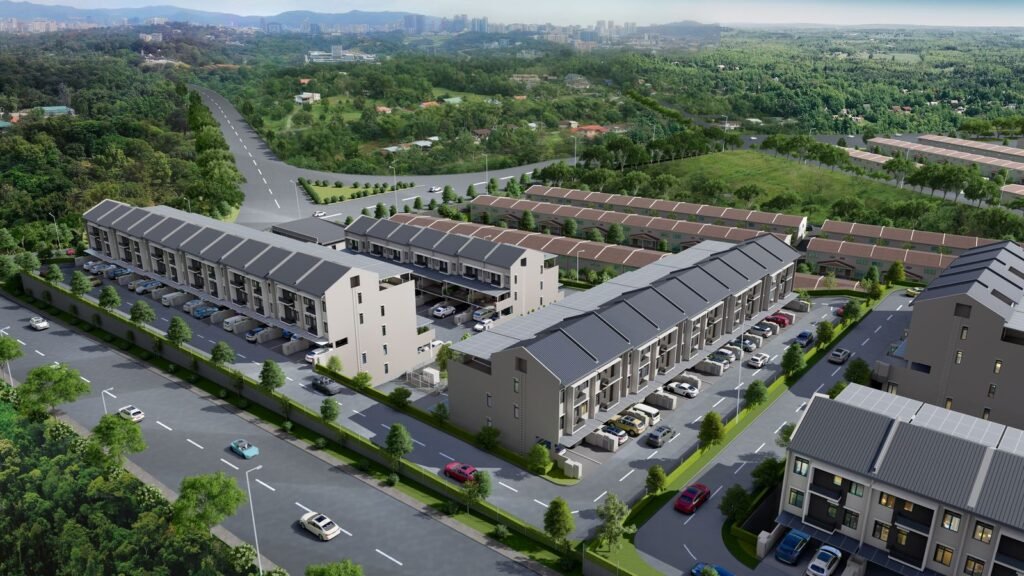
Here is the whole debate in one breath. A terrace house gives you a piece of Malaysia with your name on it: your own land, your own title, nobody to answer to about the colour of your gate. A townhouse gives you the house-shaped life, car at your own door and all, but wraps it inside a gated, managed community with a pool, and asks you to share the land and pay a monthly charge for the privilege. One is about control. The other is about convenience and security. Neither is wrong. The trick is knowing which one you are, before the show unit makes the decision for you.
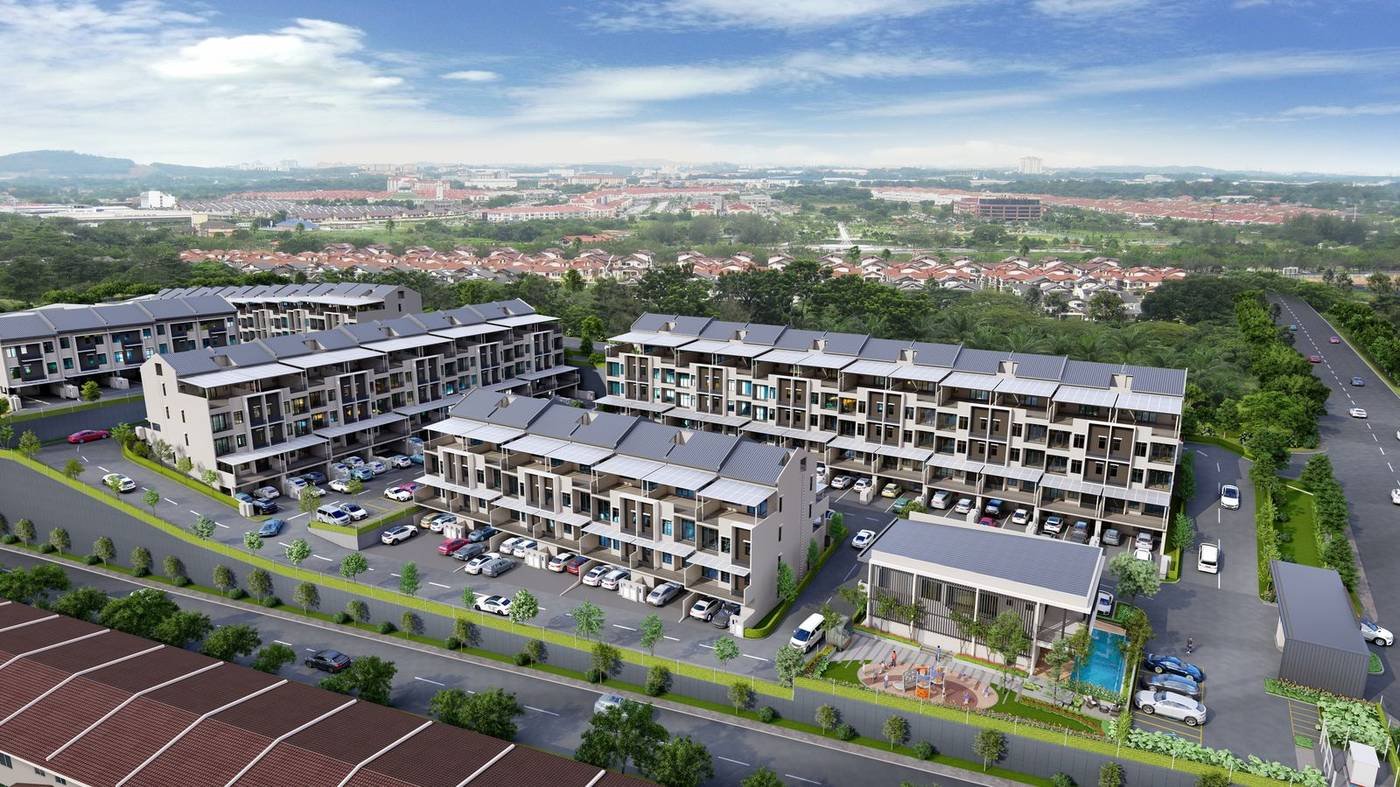
The differences that matter, side by side
Skim this table first. If three or more rows make you wince on one side, you already have your answer.
| Question | Terrace house | Townhouse (town villa) |
|---|---|---|
| What do you own? | The land lot and the house on it, on an individual title | Your home as a parcel on a strata title, plus a share of the land and everything common |
| Who lives around you? | Neighbours on one or both sides, through a party wall | Neighbours beside you, and usually one home above or below you |
| How do you get home? | Drive into your own porch, walk in | Drive into your own porch, walk in. No lift, no shared corridor |
| Parking | Your porch, typically two cars | Your porch, typically two cars, held as an accessory parcel that cannot be sold separately |
| Monthly charge | None, apart from a voluntary residents’ association fee in some streets | Service charge and sinking fund, set per share unit |
| Who fixes the roof and facade? | You | The management body, out of the charges, for whatever is defined as common property |
| Renovation | Interior freely; extensions and structural work need local council approval | Interior with management approval; facade, porch wall, gate and external colours stay as built |
| Security | Only if the street runs a guarded scheme, and those rely on residents paying | Gated and guarded by design, paid through the service charge |
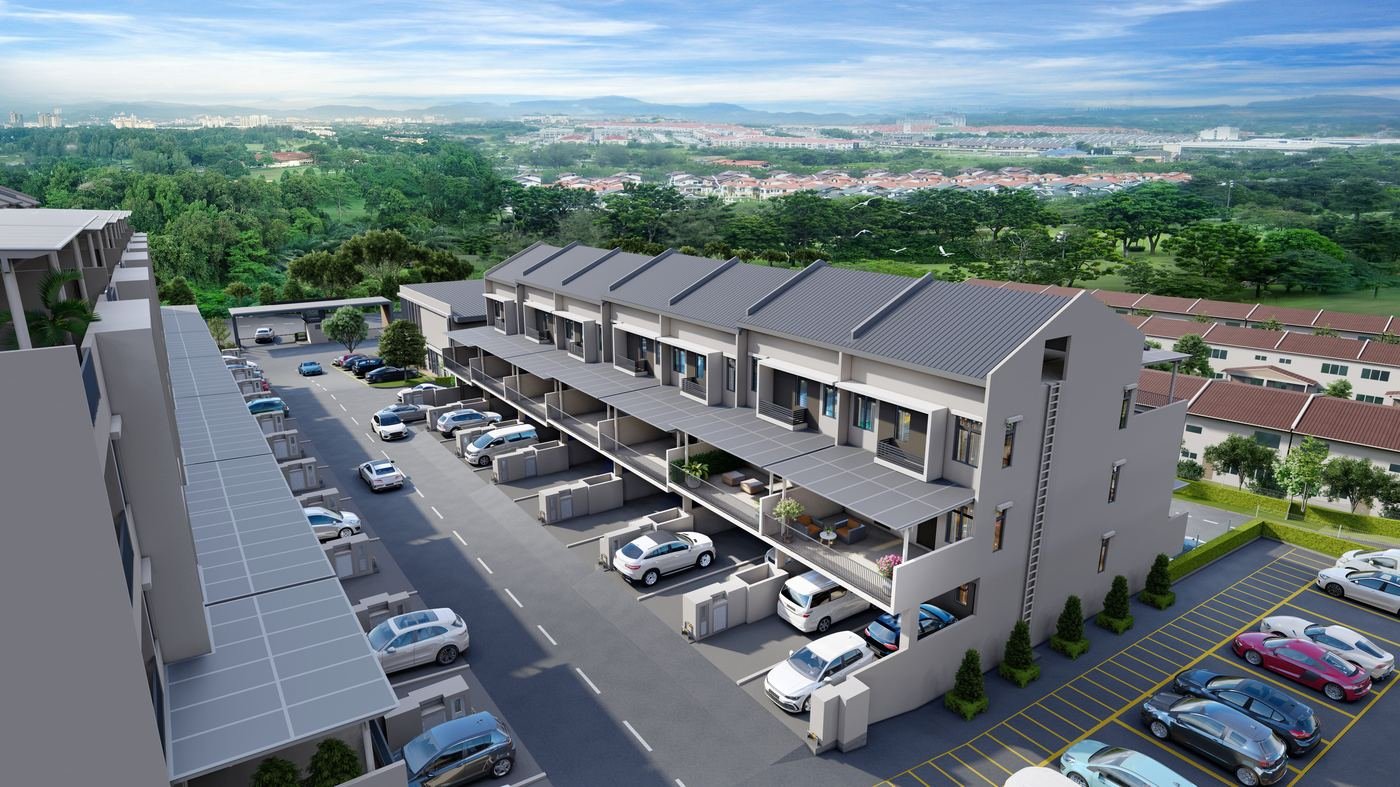
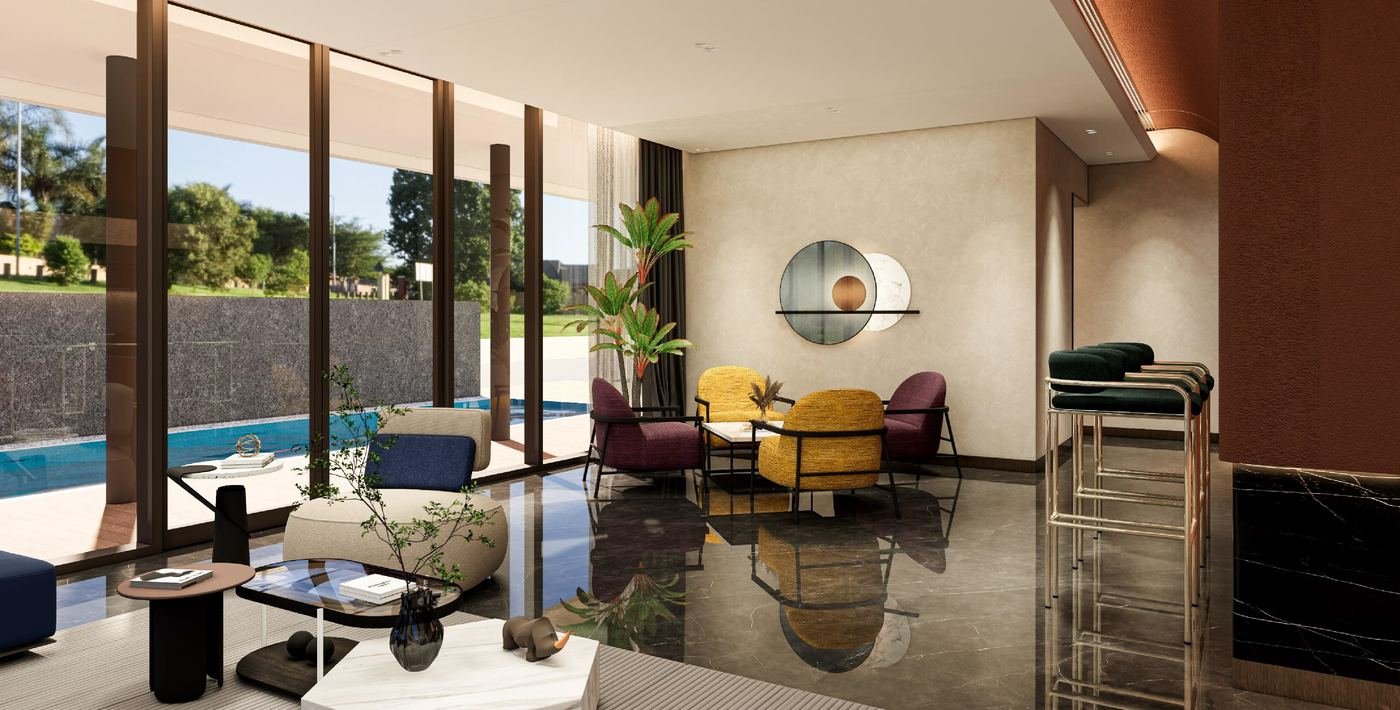
| Facilities | Usually none | Usually a clubhouse: pool, gym, hall, playground |
| Insurance | You insure the building | The management body insures the building; you insure contents |
| Government charges | Quit rent on your lot, plus assessment | Parcel rent on your parcel (in Selangor, billed to each owner), plus assessment |
| Price in the same area | Highest for new; older subsale can be much cheaper | Below a new terrace of similar size; above old subsale terraces |
“Townhouse” means something specific here
In London or Sydney a townhouse is just a terrace with better marketing. In Malaysia the word has its own meaning, and it trips people up. A Malaysian townhouse is a landed-style home where two or more households share one plot, usually stacked: a lower home that opens onto a garden, and an upper home with its own front door and its own stair. Everyone gets a porch. Everyone gets a door. What nobody gets is a lot of land to themselves, which is why the whole scheme is held under strata title, the same legal framework as a condominium, complete with a management body, by-laws, a service charge and an annual general meeting.
“Town villa”, “garden villa”, “landed strata”, “stacked villa”: these are all names for the same idea, chosen by marketing teams who know the word “strata” does not sell. A quick tell: if the brochure mentions share units, an accessory parcel for your car bays, or a management office approving renovations, you are looking at a strata home, whatever the cover says. That is not a flaw. It is simply the deal, and it should be understood before you sign, not discovered at the first AGM.
What a terrace gives you that a townhouse never will
- The land itself. An individual title to your lot is about as clear as ownership gets. Extend the kitchen backwards, add a floor, knock it down and rebuild in twenty years, or simply hold the land while everything around it changes. Buyers and banks understand it instantly, no explanation required.
- No monthly bill and no committee. Nobody votes on your gate colour. The flip side, of course, is that nobody chips in when the roof starts leaking either.
- Nobody above or below you. Noise travels sideways through a party wall, but your ceiling is yours.
- The easiest resale story. In most Klang Valley suburbs the terrace is the most traded landed type, so prices are transparent and comparables are everywhere. When you sell, you are selling something everyone already understands.
What a townhouse gives you that a terrace cannot
- Security that does not depend on the neighbours paying up. A guarded terrace street works beautifully until a third of the households stop contributing. In a strata scheme the guardhouse is funded through a charge everyone is legally obliged to pay, which is a quieter kind of peace of mind.
- A pool and a playground at a landed price. Families leaving a condo often say they will not miss the pool. Ask them again the first school holiday.
- A lower entry price in the same postcode. Sharing the land is exactly what makes a gated, facility-backed, house-shaped home possible below the price of a new terrace down the road.
- One-floor living without a lift. Some townhouse layouts put the entire home on a single level. A double-storey terrace cannot do that, and for a household with ageing parents this one line can settle the whole question.
- New-build protection. A licensed developer, a defect liability period, wiring and plumbing that are not thirty years old. An older terrace brings character and a renovation budget in equal measure.
The costs people forget to compare
“Terrace has no maintenance fee” is true and misleading at the same time. A terrace is not free to run; it simply sends its bills at random. Roof, external paint, plumbing, termites, and one day the porch roof and the gate motor. Set aside roughly one to two per cent of the property value a year and you will not be caught out. A townhouse swaps those surprises for a regular monthly charge that covers the common parts, the guards, the gardeners and the pool, with a sinking fund quietly saving for the big repairs. The fair comparison is irregular repair bills against a predictable monthly charge, not “fee versus no fee”.
Two smaller things are worth knowing. In Selangor, strata owners are billed parcel rent individually, so the old headache of one shared quit-rent bill for the whole scheme is gone. And if a townhouse scheme defines the roof, facade or porch structure as common property, those repairs come out of the fund rather than your pocket, which any owner of a thirty-year-old terrace would envy. Ask the developer or the management for the list of what counts as common property before you buy. It is not always spelled out, and it matters.
So which one are you?
You are a terrace person if you want to own the land outright, you can already picture the extension you will build, rules and committees make you itch, you are happy to manage your own repairs, or your long game is to hold the lot rather than the house. Older terraces in mature neighbourhoods also suit buyers who would rather renovate than pay a new-build premium.
You are a townhouse person if you are leaving a condominium and want to keep the security and the pool, you have young children or elderly parents and value a gated environment, you need a home on one level without a lift, or the new terraces you actually like are out of budget in the area you actually want. In exchange you accept that the outside of the house is fixed, that a monthly charge arrives whether you use the gym or not, and that someone may live above or below you.
A worked example: a freehold town villa in Balakong
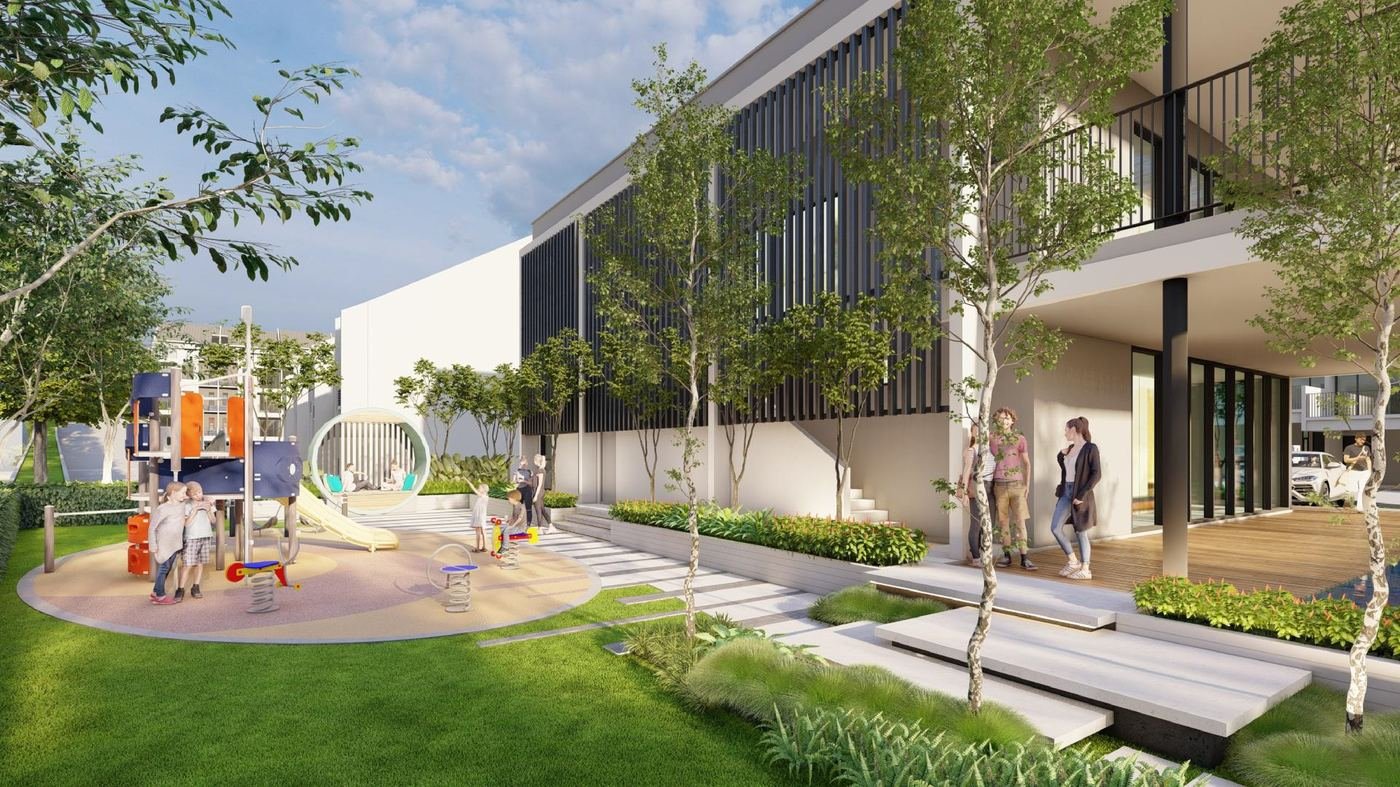
Residensi Lestari I in Balakong, Cheras South is a textbook case of the townhouse trade, so it is a useful place to test your answer. It is freehold, held as strata parcels, in a gated community of 109 homes with a clubhouse, pool and gym. Every home has three bedrooms and two car bays at its own front door, held as an accessory parcel. Two of the seven layouts, A1 and A2, sit entirely on one level with a private garden; the rest are duplexes and triplexes with internal stairs only, entered from one of two roads at different heights, so nobody climbs an outdoor staircase with the shopping. SPA prices run from RM701,500 to RM978,350.
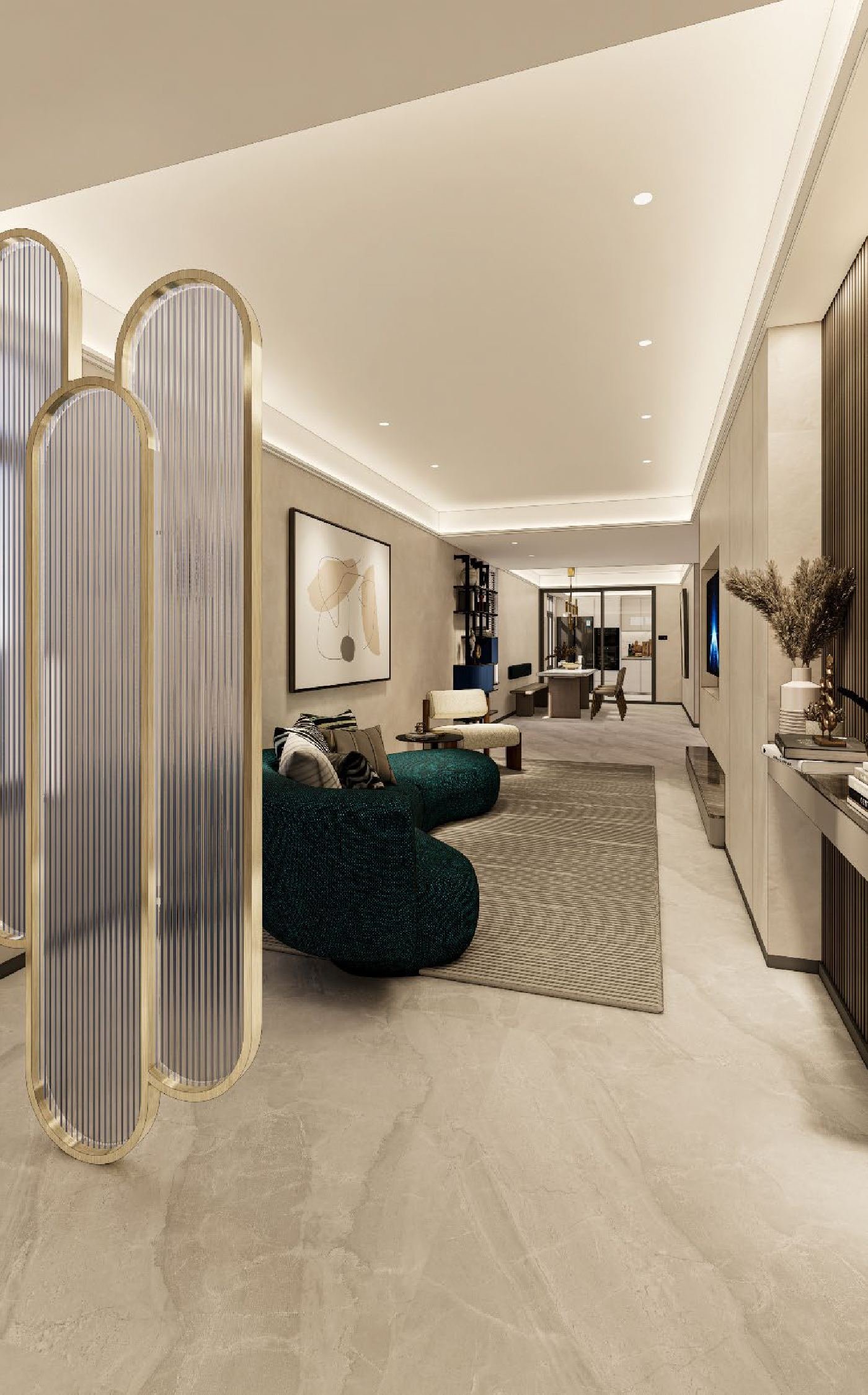
Now the strata side, said plainly because you will find it out anyway: the service charge and sinking fund are set at RM0.30 per share unit and apply to the car bays as well; interior renovation needs management approval; owners may not fence their porch or fit their own gate; and most homes have a neighbour above or below (only the top-floor D1 and C2 layouts have nobody overhead). Subsale double-storey terraces in the same Balakong area change hands at around RM400,000 to RM500,000 on individual title, so the premium here buys new condition, security, facilities, freehold tenure and the one-level option. It does not buy the land under your feet. If the land is what you want, buy the terrace with our blessing. If the life is what you want, this is precisely what the townhouse format exists for.
Questions buyers ask
Is a townhouse considered landed property in Malaysia?
It lives like landed and is usually marketed as landed, but legally it is strata: you own your parcel and a share of the land, not a lot of your own. Banks finance it like any strata home. If individual title is the thing you care about, a townhouse is not it.
Do townhouses have maintenance fees?
Yes. Every strata scheme charges a service charge and a sinking fund contribution, set per share unit. At Residensi Lestari I the rate is RM0.30 per share unit and the car bays, as accessory parcels, are charged too. Ask for the estimated monthly figure for the exact layout you are buying.
Can I renovate a townhouse the way I would a terrace?
Inside, largely yes, with management approval. Outside, no: the facade, porch wall, gate and external finishes stay as built so the scheme looks the same in ten years as it does on day one. A terrace owner can extend or rebuild with local council approval; a townhouse owner cannot add floor area.
Which holds its value better?
Neither comes with a promise. Terraces on individual title have the widest buyer pool and the most transparent pricing. Well-run gated townhouse schemes hold up on security and facilities, but they depend on the management body staying competent and funded. Judge the specific scheme and the specific street, never the category.
What is a town villa?
A marketing name for a townhouse-format strata home, usually used when the layouts are larger or the scheme is low-density. Legally there is no separate category. Read the sale and purchase agreement and the strata plan, not the brochure cover.
Related reading
- How a town villa works: rotate the 3D model of one bay
- New launch vs subsale in Balakong: is the premium worth it?
- Upgrading from an apartment to landed: the real numbers
- Buying a step-free home for elderly parents
- Residensi Lestari vs D’Heights: freehold or leasehold townhouse?
- Residensi Lestari FAQ: 30 questions answered
General guidance for Malaysian buyers, written by the appointed sales team for Residensi Lestari I (we earn commission if you buy there, and have said so). Descriptions of terrace and townhouse ownership are general; the rules of any particular scheme are in its sale and purchase agreement, strata plan and by-laws. Images are artist’s impressions. Market price ranges are indicative for 2026 and vary by locality. Enquiries: Jason Chan via WhatsApp.
Last updated 6 October 2026 · DMS Jason Chan, REN 78007