
Which KL Corridor Wins for Investment in 2026?
Two mature KL corridors, both seeing significant new supply — but very different investment narratives. Here’s the honest comparison.
See The Shang — OKR Freehold →| Factor | Old Klang Road | Bukit Jalil |
|---|---|---|
| Rail infrastructure | MRT3 arriving 2032 ✓ | LRT existing (Sri Petaling line) |
| New supply density | Moderate (mature corridor) | Very high (mega-developments) |
| Freehold availability | Scarce — last wave ✓ | Mainly leasehold new launches |
| Price psf | Lower — better value entry ✓ | Higher psf on comparable spec |
| School catchment | SJKC Choong Wen ✓ | Less concentrated Chinese school demand |
| Capital appreciation catalyst | MRT3 + freehold scarcity ✓ | Oversupply risk from mega-launches |
- Bukit Jalil is a proven address but carries heavy leasehold mega-supply (oversupply risk).
- Old Klang Road offers freehold scarcity, an MRT3 catalyst and Chinese-school demand with less competing supply.
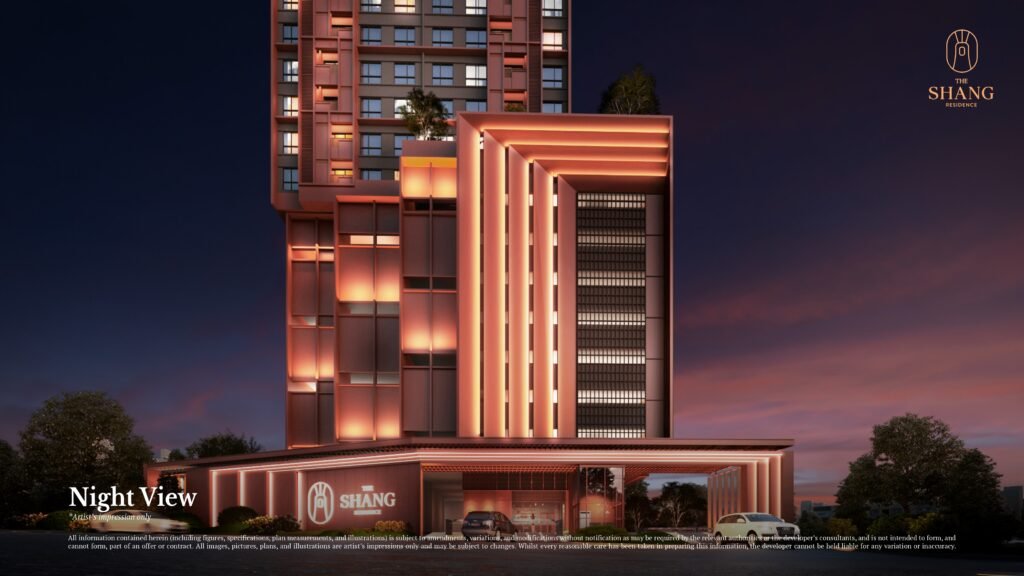
- The Shang is the most direct way to express the OKR thesis.
Our Verdict
Bukit Jalil has existing LRT and a proven track record. But its new launch pipeline is dominated by mega-density, leasehold serviced apartments — which means oversupply risk and commercial utility drag. Old Klang Road offers better value psf, genuine freehold scarcity, a concentrated school catchment demographic, and the MRT3 as a future capital kicker. For investors with a 5–10 year horizon, OKR’s combination of scarcity and infrastructure upside is the more compelling story. The Shang is the clearest expression of that thesis on the corridor.
The oversupply question is the real differentiator
Bukit Jalil’s strength — a proven, high-demand address with existing LRT — is also the source of its main investor risk: a new-launch pipeline dominated by mega-density, leasehold serviced apartments. When thousands of similar units complete in a compressed window, rents and resale compete against a wall of near-identical stock, and the commercial title on many of them adds utility cost drag on top. Old Klang Road’s new supply is far more moderate because it’s a mature, largely built-out corridor — which means less direct competition for tenants and buyers when your unit comes to market.
Scarcity plus a dated catalyst
OKR pairs two things Bukit Jalil’s new pipeline largely can’t: genuine freehold scarcity and a fresh infrastructure catalyst in MRT3 (2032). Add a concentrated Chinese-school catchment (SJKC Choong Wen) that underpins durable family rental demand, and the corridor offers a cleaner supply-demand setup for a 5–10 year hold. The Shang is the most direct way to express that thesis — new freehold, residential title, 650m from the incoming station — which is why it anchors the OKR side of this comparison.
Frequently asked questions
Is Old Klang Road or Bukit Jalil the better investment in 2026?
For value, freehold scarcity and lower oversupply risk, OKR. For an established address with existing LRT and proven demand, Bukit Jalil — but watch its high leasehold new-launch supply.
Why is oversupply a risk in Bukit Jalil?
Large mega-developments release thousands of similar leasehold units in tight windows, increasing competition for tenants and buyers.
What’s OKR’s capital-growth catalyst?
MRT3 (2032) combined with genuine freehold scarcity on a mature, built-out corridor.
Which project best captures the OKR thesis?
The Shang — new freehold, residential title, 650m from the incoming MRT3 station.
Last updated 30 July 2026 · DMS Jason Chan, REN 78007